+86 18339295727


API 17K buried pipe is a kind of bonded flexible pipe produced in compliance with API Spec 17K standards, specially designed for underground and subsea buried fluid transmission in offshore oil and gas projects. API 17K buried pipe is buried under seabed mud or land reclamation soil to transport crude oil, natural gas, injection water and chemical agents between wellheads, manifolds and processing platforms. Conventional rigid steel pipes are prone to corrosion and fracture under geological displacement, while qualified API 17K buried pipe can adapt to complex buried environments with reliable long-term running safety.
API 17K buried pipe adopts multi-layer anti-corrosion composite structure suitable for buried laying. The inner lining uses HNBR or PVDF material with hydrogen sulfide resistance to avoid corrosion from sour oil and gas. Multiple layers of high-strength steel wire and fiber braided reinforcement bear high working pressure and resist external soil extrusion force. The outer protective cover is thickened anti-ozone, anti-aging rubber, and additional heavy-duty polyethylene outer armor can be added to block seawater, mud and chemical soil erosion. Integrated anti-sulfur metal end fittings are firmly bonded with the pipe body to prevent underground medium leakage at joints.
Superior structural and performance features make API 17K buried pipe ideal for buried installation. Its good flexibility can absorb geological settlement, seabed mud movement and minor ground displacement without cracking or delamination. The full vulcanized bonded layers eliminate interlayer separation even under long-term underground pressure. It has outstanding anti-corrosion performance far superior to ordinary carbon steel pipes, greatly reducing the frequency of underground pipeline inspection and maintenance. The smooth inner bore lowers fluid resistance and ensures stable medium conveying efficiency for decades of buried service.
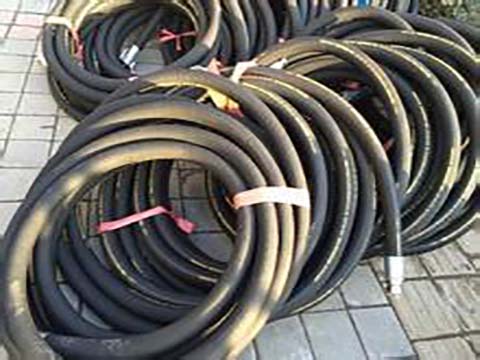
API 17K buried pipe covers various buried application scenarios in marine and coastal oilfields. It is widely buried under shallow seabed mud as connecting pipelines between subsea trees and manifolds. On coastal reclamation oil production zones, API 17K buried pipe replaces rigid steel pipes for underground crude and water injection transmission. It also serves as buried auxiliary pipelines for fire water, chemical injection and hydraulic control medium on offshore supporting land facilities, with customizable caliber and length according to buried route design.
There are strict standards to follow during procurement and construction of API 17K buried pipe. Buyers must verify valid API 17K certification marks, select corresponding pressure grades based on process pressure, and confirm outer anti-burial armor configuration according to soil and seabed environment. All finished pipes need to pass pulse fatigue test, long-term soil corrosion test and compression resistance test before delivery. Ordinary uncertified flexible hoses cannot be buried for oil and gas transmission, which will lead to medium leakage and serious environmental pollution risks.
In short, API 17K buried pipe is a reliable flexible pipeline solution for subsurface offshore oil and gas transmission. Adopting certified API 17K buried pipe effectively lowers pipeline failure risks brought by buried complex environments, cuts long-term excavation maintenance costs, and guarantees safe and stable underground fluid transportation for offshore oil and gas production systems.
Free shipping for large orders
Free return and exchange of products with quality issues
24-hour customer service online

© 2023 Luohe Letone Hydraulic Technology Co., Ltd., all rights


